Poison Oak Removal in Honolulu, HI
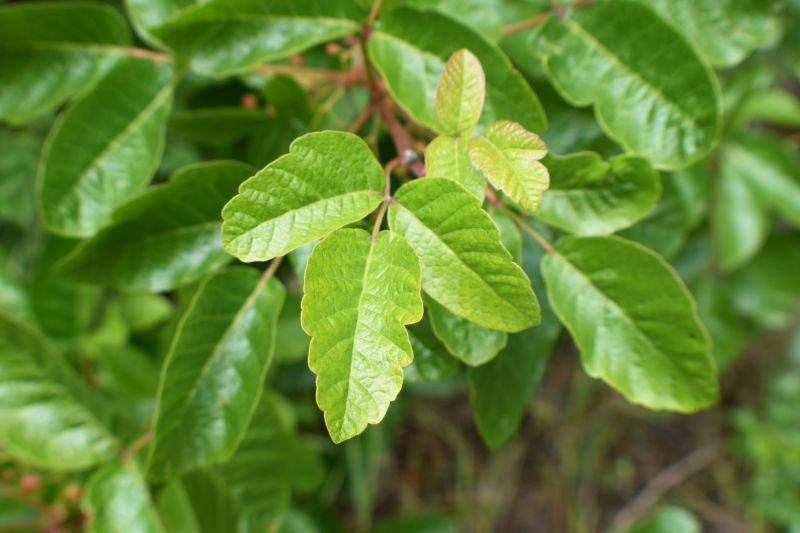
Poison oak removal services focus on safely identifying and eliminating this hazardous plant from residential properties. These services typically cover projects such as clearing overgrown areas, trimming shrubs, and removing poison oak vines from trees or fences. Property owners often seek this service to reduce health risks associated with contact, especially in yards, gardens, or outdoor recreational spaces where children and pets play. Proper removal not only helps prevent allergic reactions but also restores the safety and appearance of outdoor areas.
Before requesting poison oak removal, property owners should understand the extent of the infestation and whether the plants are accessible or intertwined with other vegetation. It is also helpful to know if the plants are located near structures, pathways, or utility lines, which may influence the approach taken. Clarifying these details can help ensure the removal process is thorough and safe, minimizing the chance of regrowth or accidental contact during the removal process.
Many property owners in Honolulu, HI look into Poison Oak Removal for repairs, replacements, upgrades, and appearance-related improvements.
Understanding Poison Oak Risks
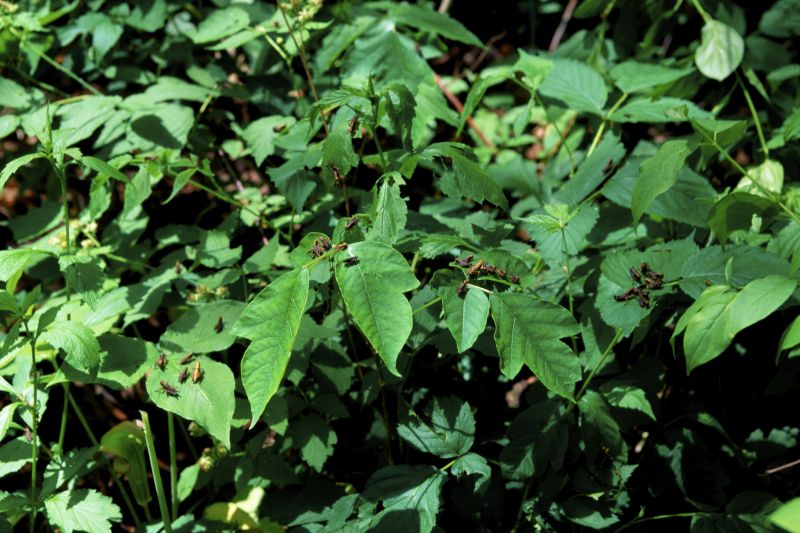
Poison oak can cause skin irritation and allergic reactions if touched or disturbed.
Safe Removal Techniques
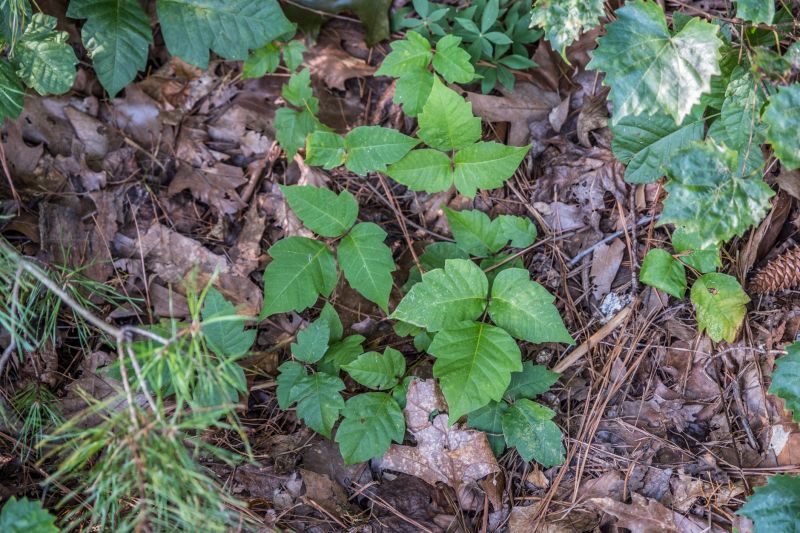
Professional removal ensures the plant is safely eradicated to prevent future contact.
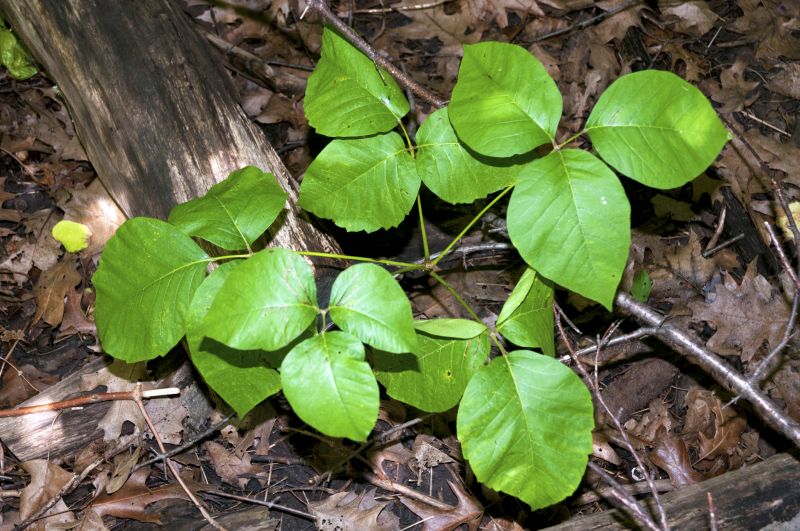
Property Maintenance Tips
Regular inspection and clearing of overgrown areas help keep your outdoor space safe and poison oak free.
Poison Oak Removal in Honolulu, HI

Poison oak removal services focus on safely identifying and eliminating this hazardous plant from residential properties. These services typically cover projects such as clearing overgrown areas, trimming shrubs, and removing poison oak vines from trees or fences. Property owners often seek this service to reduce health risks associated with contact, especially in yards, gardens, or outdoor recreational spaces where children and pets play. Proper removal not only helps prevent allergic reactions but also restores the safety and appearance of outdoor areas.
Before requesting poison oak removal, property owners should understand the extent of the infestation and whether the plants are accessible or intertwined with other vegetation. It is also helpful to know if the plants are located near structures, pathways, or utility lines, which may influence the approach taken. Clarifying these details can help ensure the removal process is thorough and safe, minimizing the chance of regrowth or accidental contact during the removal process.
Many property owners in Honolulu, HI look into Poison Oak Removal for repairs, replacements, upgrades, and appearance-related improvements.
Common Poison Oak Removal Jobs
Poison Oak Removal - Clearing poison oak from yards and landscapes to reduce health risks.
Vegetation Clearing - Removing invasive plants and dense brush to improve property safety.
Landscape Maintenance - Managing overgrown areas that may harbor poison oak and other hazards.
Property Cleanup - Safely disposing of removed vegetation to prevent regrowth and exposure.
Hazard Assessment - Identifying areas where poison oak poses a risk to residents and visitors.
Preventative Clearing - Creating barriers and maintaining landscapes to minimize future poison oak growth.
Poison Oak Removal Questions
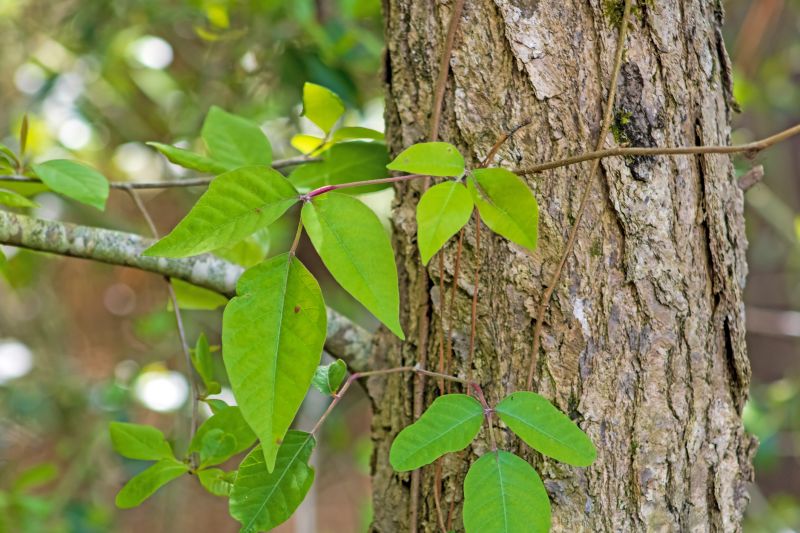
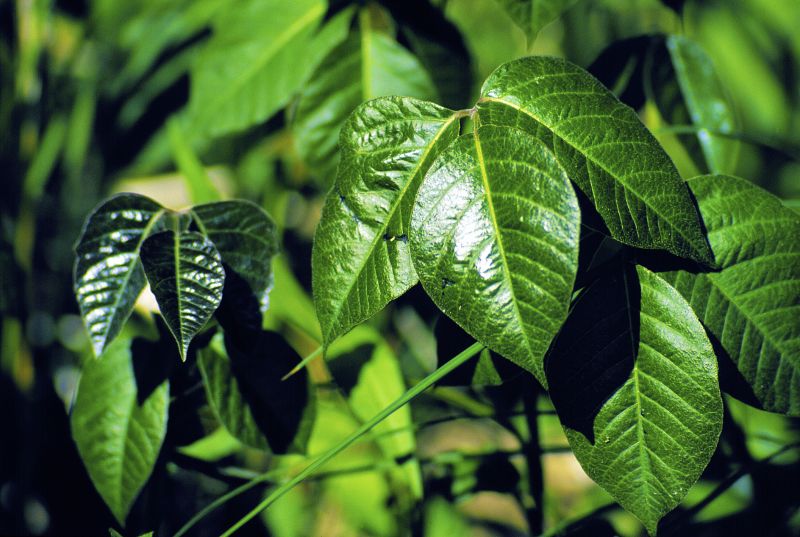
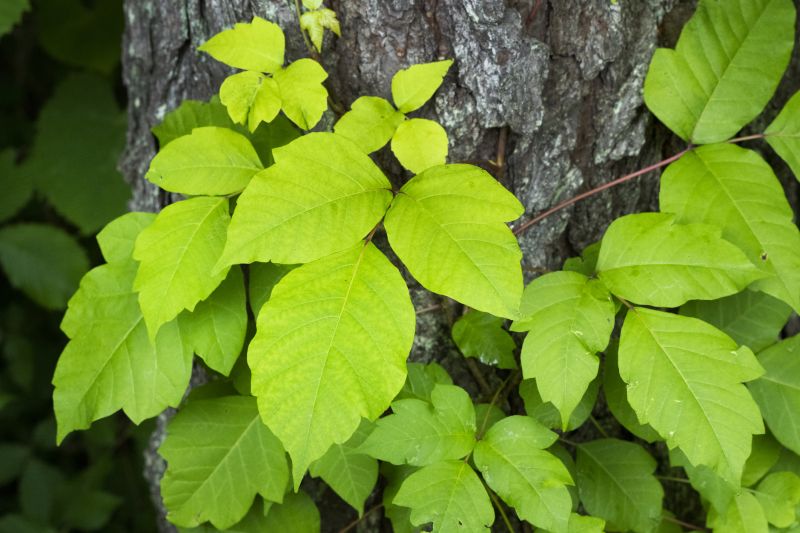
What is poison oak removal? Poison oak removal involves safely eliminating the plant to prevent skin irritation and protect property health.
Why should poison oak be removed? Removing poison oak reduces the risk of skin contact and allergic reactions for residents and visitors.
What areas typically require poison oak removal? Commonly targeted areas include yards, trails, fences, and other outdoor spaces with dense vegetation.
How is poison oak removed safely? Removal is done using specialized tools and techniques to minimize plant spread and ensure thorough elimination.
Request Poison Oak Removal in Honolulu, HI
Use the quote form on this page to share the basics of your project and request more information for the type of work you need.